NCIC Tribal Gathering
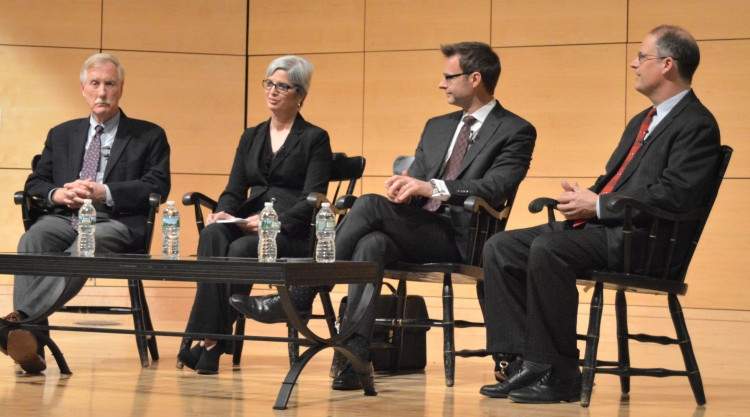
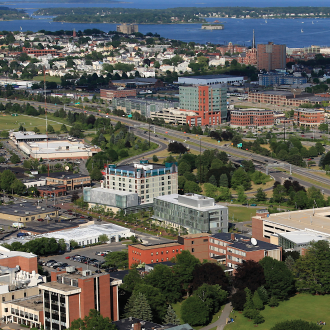
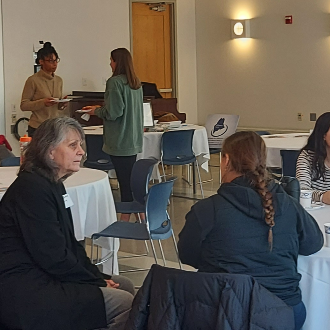
In November 2009, the Northeast and Caribbean Implementation Center (NCIC) hosted a Tribal Gathering in Portland, Maine. Forty-nine participants attended the Gathering: twenty-five participants representing five tribes in regions 1 and 2, four ICWA liaisons from state child welfare agencies, and two representatives from the Children’s Bureau (CB)/ ACF regional offices, five T/TA network members, ten NCIC team members, and three guest speakers.
The theme for this Gathering was Learning & Leading Together. With that theme in mind, NCIC identified two goals for this Gathering:
1. To have conversations about effective ways to move the child welfare service delivery system forward with a specific focus on small tribal communities. How do we plan for, implement and sustain change that results in improved outcomes for children, youth and families? What are some internal strengths as well as challenges that need to be attended to in order to move forward? How do you engage the key stakeholders? How do we measure and evaluate the impact of the change?
2. To become acquainted or, in many cases reacquainted with, the multiple resources available to help achieve organizational and family outcomes. Some of those resources are within the Children’s Bureau T/TA Network. Other valuable resources, and perhaps the most important resource available, are the people who attended this Gathering together- members of neighboring tribes, peers and colleagues.
Over the course of the three days, participants had many opportunities to network with peers, to explore proven success factors for moving tribal communities forward through presentations, small and large group discussions, and to share what has worked for them and what has been challenging as they have undertaken child welfare practice and organizational improvements in their communities.
The remainder of this report provides highlights of the Gathering as well as handouts and power point slides organized by the agenda.
Click here to download a full PDF version of this report, or you may search the menu below to go directly to the following sections of the agenda:
Day 2:
Opening, Introductions & Sharing Successes
Common Themes: What NCIC Learned from Outreach to the tribes
Moving Your Community Forward; Dr. Eddie Brown
Small Group Facilitated Discussions
Wrap up Evaluations/Suggestions
Day 3:
Introduction to the Children's Bureau Training & Technical Assistance Network
Intensive Project Application and Timeline
Wrap up Evaluations (Tribal Outreach & Gathering)
Day 1
Welcome
The Gathering began with a Welcoming Gathering which offered the participants an opportunity to meet and/or renew acquaintances before the start of the more formal agenda scheduled for the following day and a half.
Day 2
Opening, Introductions & Sharing Successes
The morning began with a traditional tribal ceremony followed by introductions and opening remarks. Each Tribe then shared a success story related to implementation or change within their child welfare program. The successes shared the common themes of: importance of children as the future of the communities, value of building relationships (Tribes w/other Tribes, and Tribes w/States), sharing values, and progress in tribal court development.
Common Themes: What NCIC Learned from Outreach to the Tribes
NCIC shared what we learned from our site visits and phone calls with each of the tribal child welfare agencies and organized small group discussions around three common themes that emerged from these visits: Tribal Court Development/Enhancement; Foster Family Recruitment; and Data & Information Systems.
Moving Your Community Forward: Internal Readiness to Make Changes:
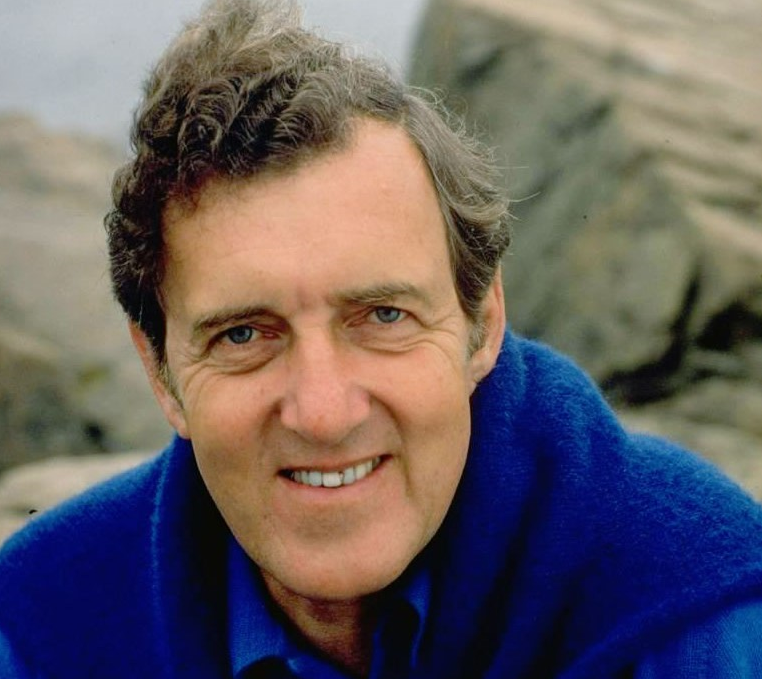
Dr. Eddie Brown, Director of American Indian Studies and Co-Executive Director of the
American Indian Policy Institute at Arizona State University
Dr. Brown joined us to share his knowledge and perspective on how communities and organizations prepare for change and growth. Dr Brown prefaced his remarks with the words of the Dutch scholar, Fred Polak saying, ‘Nations with vision are powerfully enabled. Those without vision are at risk.’ He outlined the characteristics of successful social service programs. Finally, Dr Brown provided an overview on the dimensions to assess and plan for preparing communities for change. These dimensions include identify current community efforts, the communities knowledge of these efforts, leadership, climate, knowledge of the issue at hand and current resources related to the issue.
Small Group Facilitated Discussions
In each of the small groups, participants addressed four questions:
1.What is the status of this issue in your community and how does it impact your work – what are the challenges, strengths, solutions?
2. Did Dr. Brown say anything in his discussion this morning that is applicable to this issue?
3. What idea/question/ breakthrough do you want to take back to the group to for potential solutions?
The following summarizes highlights of the rich discussions that occurred in each small group.
Tribal Court Development / Enhancement: Facilitated by Carrie Garrow, Craig Dorsay
- It’s important to develop tribal codes that keep the cultural perspective and can be revised over time. It may be possible to modify state codes or use tested models from other tribes. A resource is NARF.org.
- Build a coalition among the tribes and develop a multi-disciplinary team to create a code framework.
- Create a unified voice among the tribes regarding ICWA and other concerns to learn from each others’ experience.
- How will court development impact Tribal State agreement?
- How do you get community involved in developing codes? Constant” taking temp”. If we want to be a nation we have to write our laws to reflect who we are. It is a never ending process.
- How to deal with cases with disputed ancestral claims?
Foster Family Recruitment: Facilitated by Kathy Deserly, Stephanie Boyd-Serafin
- Solutions offered included both systemic and more case specific examples. In Maine PL1999 specifies the process for tribal licensing and the Wabanki Coalition has been active in trying to address issues related to child welfare in general.
- Increased communication with the State including developing direct relationships with area directors, a greater investment by Tribal social services, an increased share of funding, continuous recruitment, more prevention efforts, and the increased use of family group conferencing would all be positives steps.
- In the legal arena applying for intervener status in all cases, actions to vacate adoption orders and an increase in permanency guardianship would be beneficial.
Data & Information Systems: Facilitated by Debbie Milner, Tom Pomonis
- Can the Tribes and States collaborate to develop information management systems or can the Tribes be integrated into the state system? Pooling funds could be helpful.
- It is necessary to know specifically what is needed before developing system – is that different than what you want.
- Is it possible to reuse the state system
- Small tribes working on systems in other parts of the country – might be able to peer network. The Mandan and Turtle Mountain tribes in North Dakota went in together and had issues the first time around, but they are making it work the second time. Also the Tlinget- Haida tribe in Alaska are working on this.
- Feds should be developing a system for Tribes as they have for the states in child support.
- Tom suggests planning for about a year on what system you need, what info, etc. Then go look for a solution.
- Hidden costs of NOT having a system include: shredding, storage, lost office space, not having all information on kids, not having data for grants.
Small Group Reports: How to integrate ideas and think concretely about moving forward
Following the small group discussions, Dr. Eddie Brown facilitated a discussion based on the reports from the groups.
- Tribes need to be able to do their own licensing, they need increased resources and emphasis needs to be on developing a higher level relationship with federal government and removing the state partnership.
- In order to build relationships with the State/ICWA there must be active participation in developing the 5 year service plan and annual progress reports. There are few ways to monitor the actual implementation of ICWA making increased involvement of the tribes and the development of measurement very important.
- States should focus on efforts to meet with ACF representatives and tribes to promising practices… the diversity of tribes result in lack of “best” practices. The federal and state liaisons play a critical role in type and flexibility of services provided to children.
- Legislative reform should be enacted to require states to comply.
Wrap Up Evaluations/ Suggestions
A “quick evaluation” was done after the first full conference day to determine how the program was being received and to make adjustments for the following day. Overall the feedback was positive, with Dr. Brown’s participation being a highlight. He was seen as inspirational and knowledgeable. The small group format was effective. The need for and benefit of broadened and enhanced relationships with the States and the Children’s Bureau was identified with some skepticism based on history. The advantage of coalitions was recognized. There is a need for a better understanding of federal funding formulas.
Day 3
Introduction of the Children’s Bureau Training and Technical Assistance Network:
Linda Mitchell, Federal Project Officer
NCIC, and our four sister Implementation Centers, are members of the Children’s Bureau Training and Technical Assistance Network. Information about the T/TA Network and its services was presented at the Gathering to ensure that participants are aware of the full array of services funded by the Children’s Bureau.
Power Point Presentation by Linda Mitchell: The Children's Bureau Training & Technical Assistance Network
Handbook: 2009 Children's Bureau T/TA Network
Video: Child Welfare Information Gateway
Intensive Project Application and Timeline
One of the ways in which NCIC supports systemic change is through supporting long-term intensive implementation projects with selected tribes. During this session input was sought from the Tribes regarding the timing, content, and response time for a Request for Applications in addition to the kind of assistance from NCIC that would be helpful during the application process and the selection criteria that should be used.
During the ensuing discussion questions were raised about the criteria and the possibility of going through a lengthy application process only to be denied. Hopefully support during the application process would minimize that possibility. The general sense was that the Tribes are not ready to provide input at this point. They will need to talk as individual Tribes about the issues related to applying for a project including the resources they have to invest in a project. They will need to consider what areas they might want to pursue, whether to apply as individuals or coalitions, the impact on future IV-E eligibility etc. NCIC offered to visit the tribes over the winter to continue this conversation, giving each community time to sit down and think about where they are and what they need.
Document: Request for Application and Timeline
Moving Ahead:Tribe specific work planning and next steps
NCIC left time at the end of the final day for each of the states and territories to do work planning and then to share with the group their next steps as well as some requests of NCIC.
As a gift for their participation in the Gathering, the NCIC provided each tribe with a copy of Remember Me: Tomah Joseph’s Gift to Franklin Roosevelt, a children’s book written by Donald Soctomah (a member of the Passamaquoddy Tribe) and Jean Flahive (consultant for the Passamaquoddy Tribe). It can be ordered at: Amazon.com
Wrap Up Evaluations (NCIC Outreach to the Tribes & Tribal Gathering)
The Gathering ended with participants completing evaluations of the Gathering and NCIC outreach to the tribes.
Document: NCIC Tribal Gathering Evaluation